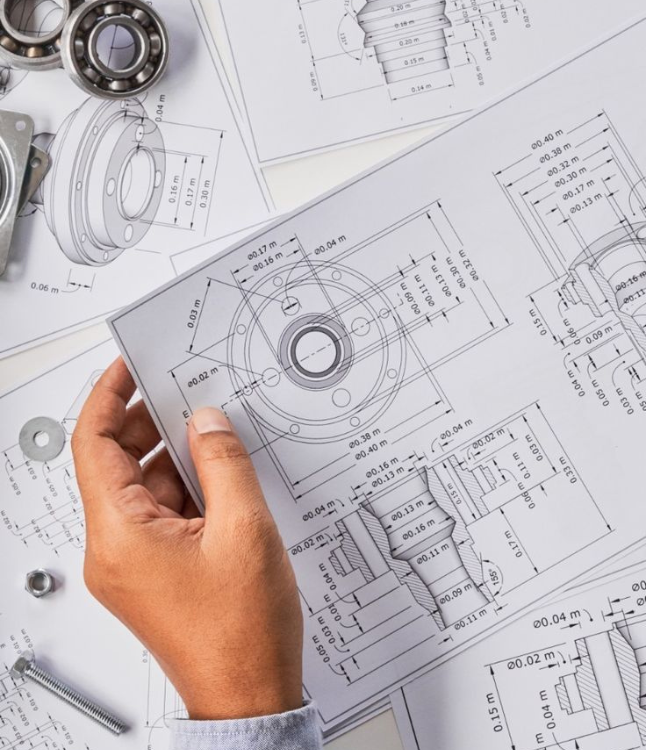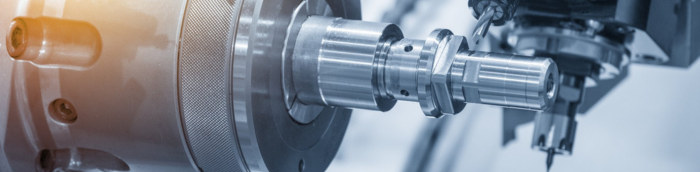
Industrial Process Engineering and Improvement focuses on analyzing, evaluating, and refining manufacturing methods to improve efficiency, consistency, and operational performance. Our engineers study how manufacturing activities are performed, identify opportunities for improvement, and develop engineering recommendations that help metal manufacturers achieve better results. By applying industrial engineering principles, we evaluate production methods, work sequences, resource utilization, and process performance to identify practical improvements. Our services support manufacturers seeking to improve existing operations, reduce inefficiencies, and establish more effective manufacturing practices through structured engineering analysis.
Manufacturing processes involve many interconnected activities that influence productivity, quality,
and operational performance. Our process analysis services evaluate how manufacturing work is
currently performed to identify inefficiencies, constraints, and opportunities for improvement. We
examine process methods, operating conditions, resource usage, and performance results to develop
a clear understanding of current manufacturing capabilities. This analysis provides manufacturers
with engineering insight into how existing processes perform and where improvements may create
meaningful operational benefits.
Our manufacturing process analysis includes:
• Review of current manufacturing methods
• Evaluation of process sequences
• Identification of operational constraints
• Analysis of resource utilization
• Review of process performance indicators
• Identification of improvement opportunities
Through detailed engineering analysis, we help manufacturers understand their current processes
and establish a foundation for improvement decisions.
Cycle time and productivity directly influence manufacturing capacity and operational efficiency.
Our engineers perform detailed studies to evaluate the time required for manufacturing activities and
identify factors that affect production performance. We analyze work methods, process steps, and
operational conditions to determine where time is being consumed and where opportunities exist to
improve efficiency. These studies provide manufacturers with measurable data that can support
decisions regarding process improvements and operational changes.
Our cycle time and productivity studies include:
• Work time measurement
• Process duration analysis
• Productivity evaluation
• Activity breakdown studies
• Efficiency assessment
• Performance comparison analysis
The results provide a clearer understanding of manufacturing performance and highlight areas where
improvements may increase operational effectiveness.
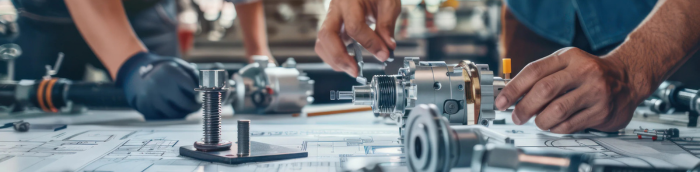
Manufacturing methods have a significant impact on production consistency, efficiency, and
resource requirements. Our manufacturing method improvement services focus on evaluating how
work is performed and identifying opportunities to improve the effectiveness of existing methods.
We analyze current practices, production requirements, and operational challenges to develop
engineering recommendations that support better manufacturing performance. Our approach focuses
on improving the way manufacturing activities are carried out while maintaining required quality
and operational standards.
Our manufacturing method improvement activities include:
• Evaluation of current work methods
• Identification of unnecessary activities
• Process simplification studies
• Work sequence analysis
• Efficiency improvement recommendations
• Standardized method development
These improvements help manufacturers establish more effective and repeatable manufacturing
practices.

Material movement is a major consideration in manufacturing facility layout engineering. Poorly
planned movement routes can increase handling requirements, create congestion, and reduce overall
operational efficiency.
We analyze the relationship between facility areas to develop layouts that support logical and
efficient material movement. Our engineering approach evaluates how materials enter, move
through, and exit the facility while considering storage requirements and operational needs.
Our material flow analysis includes:
• Receiving and shipping area evaluation
• Storage location planning
• Internal transportation route analysis
• Movement distance assessment
• Area relationship evaluation
• Facility flow improvement recommendations
The result is a more organized facility structure that supports efficient movement and improved
operational visibility.
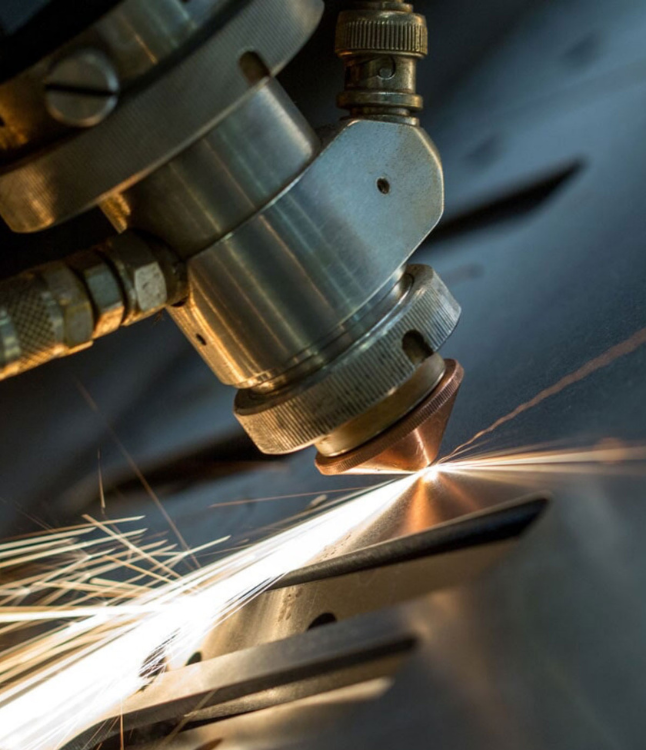
Efficient manufacturing depends on well-organized processes where activities are performed in an
effective sequence. Our process flow and operational efficiency analysis evaluates how
manufacturing activities interact and identifies areas where inefficiencies may exist. We examine
relationships between process steps, resource requirements, and operational performance to develop
recommendations that improve overall process effectiveness. This engineering analysis helps
manufacturers better understand the factors influencing production performance.
Our operational efficiency analysis includes:
• Process flow evaluation
• Identification of delays and constraints
• Review of operational dependencies
• Resource utilization analysis
• Efficiency improvement opportunities
• Process performance assessment
By analyzing the complete manufacturing process, we help identify practical opportunities for
improving operational results.
Reducing unnecessary costs and eliminating waste are important objectives in modern
manufacturing environments. Our engineering analysis identifies areas where resources, time,
materials, or effort may not be producing sufficient value. We evaluate manufacturing activities to
understand sources of inefficiency and develop recommendations that support improved resource
utilization. Our approach focuses on engineering-based evaluation rather than general cost reduction
measures, ensuring that improvements are connected to actual manufacturing performance.
Our waste and cost reduction analysis may include:
• Resource utilization review
• Process inefficiency identification
• Material usage analysis
• Time loss evaluation
• Operational waste assessment
• Improvement opportunity studies
These evaluations help manufacturers identify opportunities to improve efficiency while
maintaining production requirements.
Understanding how effectively a manufacturing process performs is essential for maintaining
competitive and reliable operations. Our process performance evaluation services examine key
operational factors that influence manufacturing results. We analyze performance data, operating
conditions, and process characteristics to identify strengths, limitations, and potential areas for
improvement. This provides manufacturers with a clearer understanding of current process
capability and supports engineering-based improvement planning.
Our performance evaluations include:
• Process capability assessments
• Manufacturing performance reviews
• Efficiency evaluations
• Operational data analysis
• Performance gap identification
• Improvement recommendations
These evaluations help manufacturers establish measurable goals and develop targeted improvement
strategies.
Metal manufacturing processes often involve complex operations requiring careful control of
methods, resources, and production conditions. Our process engineering services support
manufacturers involved in metalworking activities by analyzing the specific challenges associated
with machining, fabrication, forming, and related operations. We apply industrial engineering
methods to evaluate manufacturing performance and identify opportunities for improving efficiency,
consistency, and reliability.
Our process engineering support applies to:
• Machining operations
• Metal fabrication processes
• Welding operations
• Forming and stamping activities
• Component manufacturing
• Industrial metal processing
Our engineering analysis is tailored to the operational requirements of metal manufacturing
environments